⊗
Timor-Leste is blessed with natural resources including oil and gas that have helped the country grow since its independence in 2002. Yet, these much-needed resources are finite, that is, they will not last forever.
That is why the Government wants to find new ways to grow the economy. One important way is through the Blue Economy, which focuses on using the ocean in a smart and sustainable way.
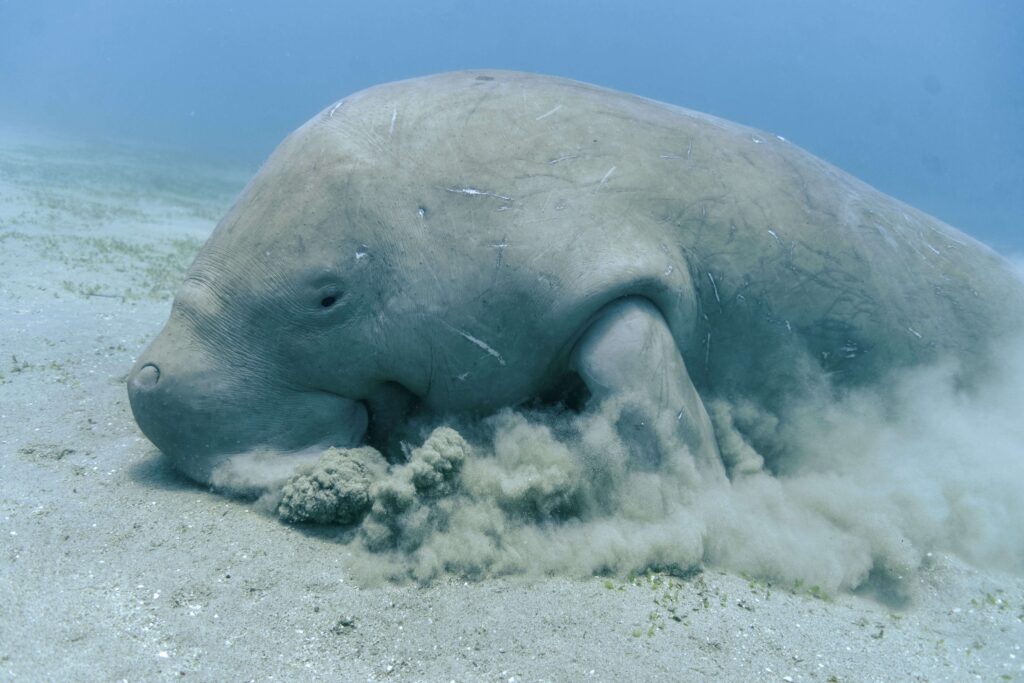
The goal is to help people connect more with the sea and the opportunities it provides. This means not only protecting marine life but also using ocean resources carefully to diversity the economy to create jobs, earn income, and improve the lives of all Timorese. The ocean can support better health, education, and community activities if it is used responsibly.
To do this, the Government will invest in areas like fishing, aquaculture (fish farming), tourism, and renewable energy.
The Government will also support local businesses, attract investment from other countries, and work with international partners to share knowledge and ideas. By doing this, Timor-Leste can build a stronger and more sustainable future for all Timorese across the whole country.
Blue Tourism
Timor-Leste is growing tourism in a way that protects the ocean and supports local communities. Blue Tourism focuses on creating jobs and income while also caring for marine life, culture, and the environment. The approach is “high-value, low-impact,” meaning tourism brings strong benefits without harming nature, and visitors can enjoy meaningful experiences connected to the sea and local traditions.
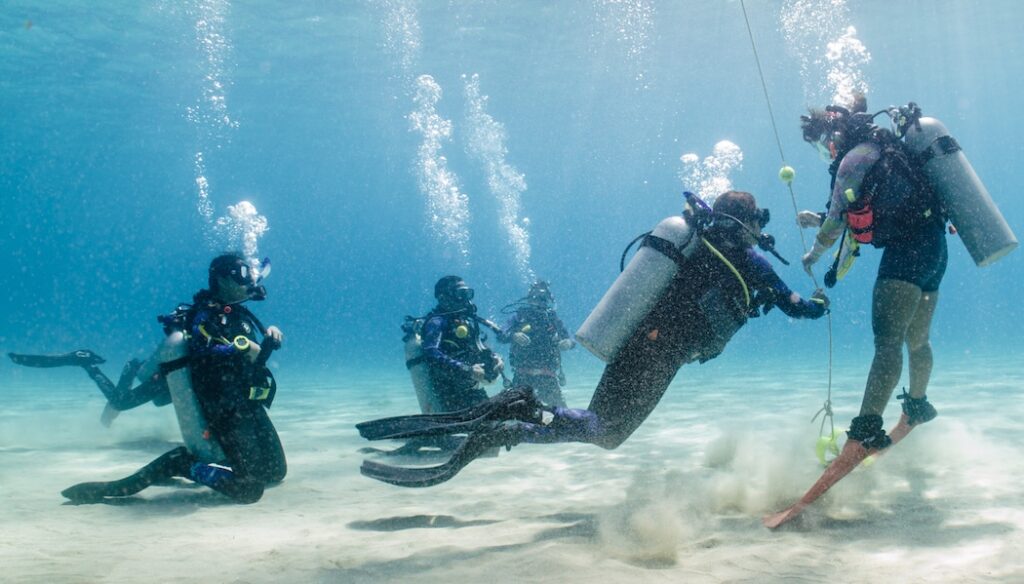
To make this happen, the Government will invest in eco-friendly tourism like homestays, eco-resorts, diving, and cultural activities, while involving communities in managing and protecting coastal areas through practices like Tara Bandu. It will also improve infrastructure, provide training for young people and women, and promote Timor-Leste as a unique destination. This approach helps grow the economy while protecting the environment and improving the lives of the Timorese.
Living Resources Exploitation
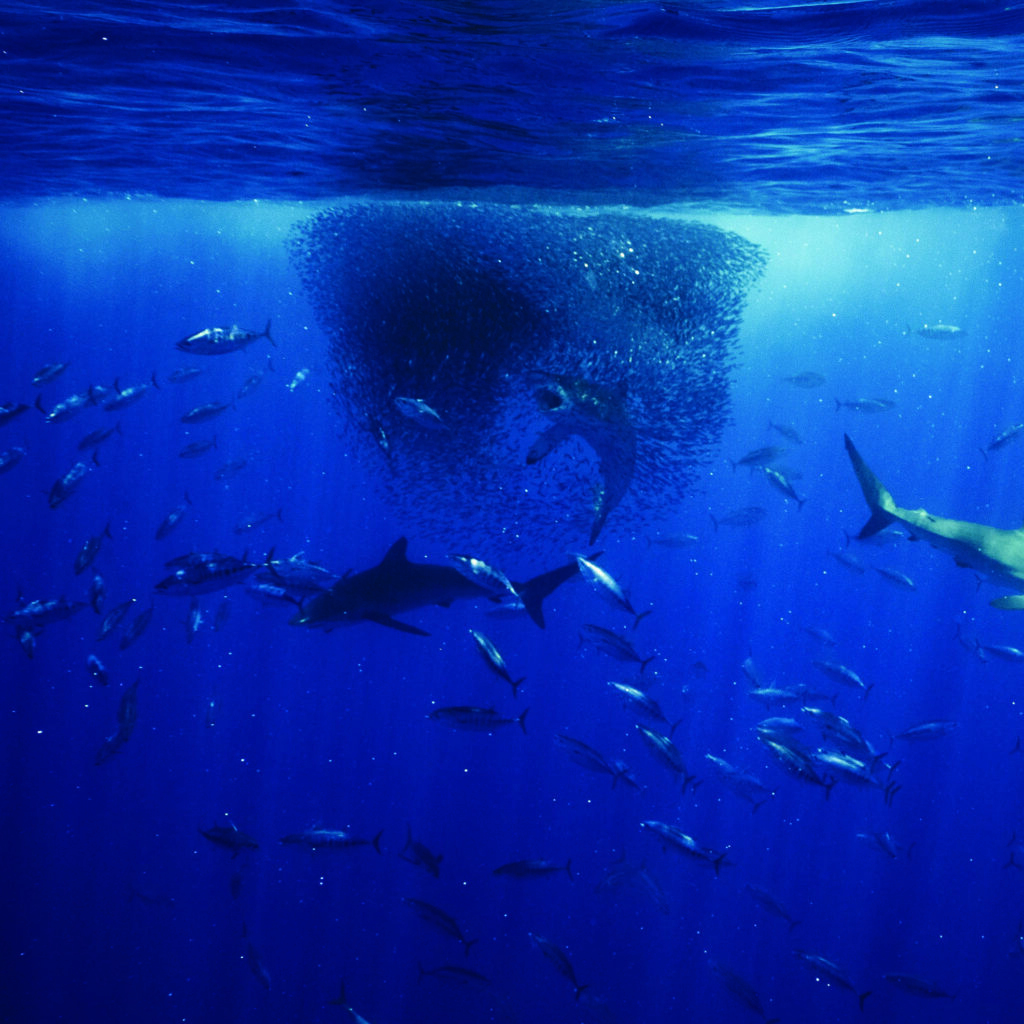
Using living resources from the ocean including fish, seaweed, and other marine life must be done carefully so these resources are not overused or damaged. In Timor-Leste, fishing is important for food, jobs, and culture, but the country faces challenges such as low fish production, difficult ocean conditions, the risk of overfishing through illegal fishing. This means it is important to manage fishing in a sustainable way so fish populations and stocks stay healthy and can continue to support the Timorese and new industries in the future.
To achieve this, the Government will strengthen laws, improve monitoring, and support fishers with better training, equipment, and knowledge.
The Government also intends to promote aquaculture (fish farming) and other activities like seaweed farming to increase food supply and create income. At the same time, it will work to stop illegal fishing, protect marine ecosystems, and involve communities in managing resources. New opportunities, such as marine biotechnology, will also be explored to create jobs and support innovation, while making sure the ocean is protected for future generations of Timorese.
Exploration of Non-living Resources and Energy Production
Using non-living resources from the ocean including the exploration of oil, gas, minerals, and water, must be done in a careful and responsible way. These resources do not grow back quickly, so they must be managed wisely.
Timor-Leste still depends on oil and gas to support development, but it also recognises the need to slowly move towards cleaner energy. This transition must be gradual so the country can continue to grow, create jobs, and improve people’s lives while also responding to climate change.
The Government will invest in renewable energy like solar, wind, and hydropower to reduce pollution and build a more sustainable energy system. It will also explore other opportunities such as salt production, desalination (turning seawater into drinking water), and carefully managed seabed mining. These activities will follow strict environmental rules to protect marine ecosystems. Using these resources will support economic growth, while protecting the environment and ensuring benefits for future generations.
Transport Maritime Ports and Communications
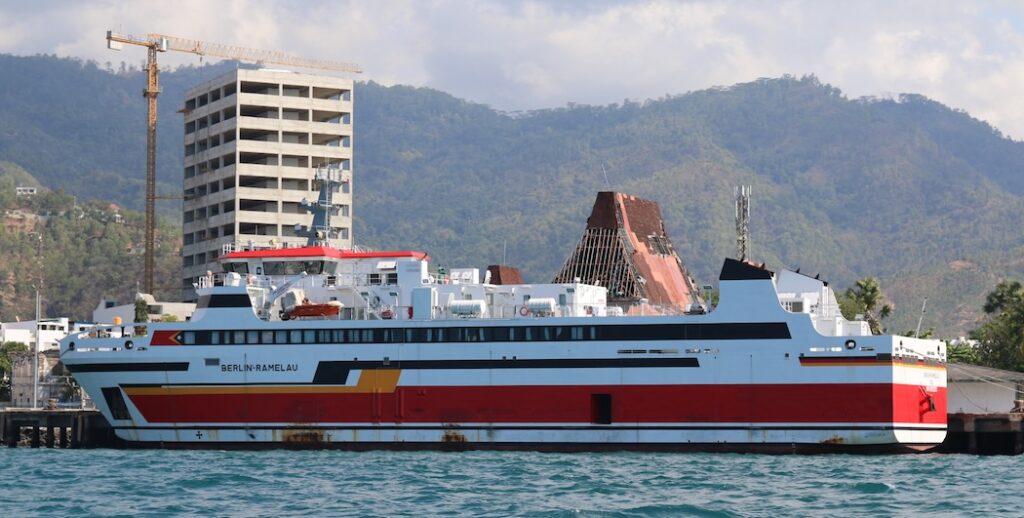
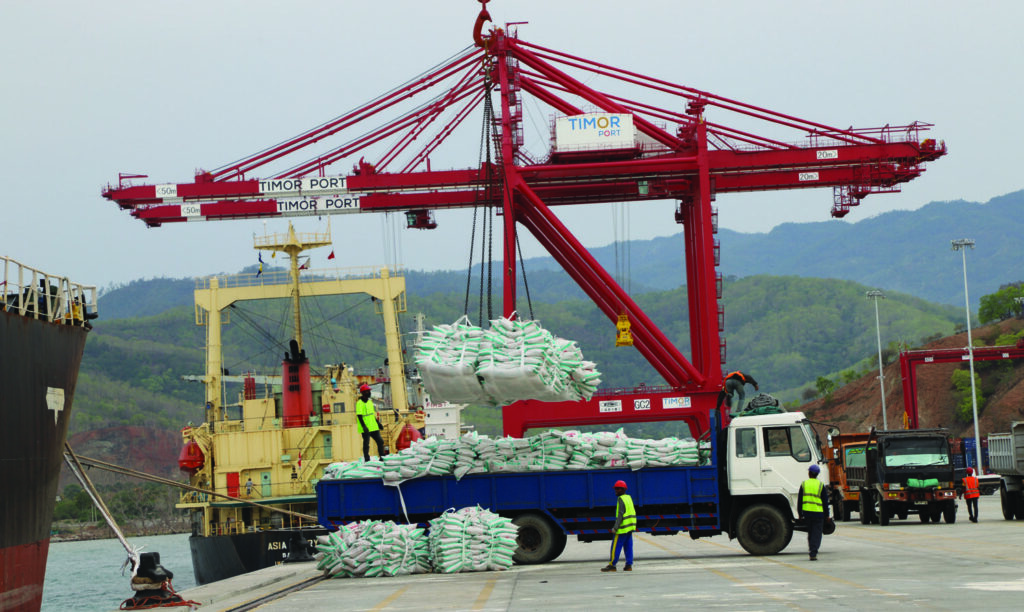
Improving transport, ports, and communication systems will greatly support Timor-Leste’s development. Strong infrastructure, including with submarine cables, pipelines, ports, and digital networks are essential for communication, trade, and economic growth. These systems must be well planned, protected, and supported by clear laws to ensure they work safely and efficiently, while also connecting coastal and remote communities.
The Government will invest in modern ports, better maritime transport, and improved logistics to make it easier to move people and goods across the country and to international markets.
This includes continue investing and developing key ports like the Tibar Bay Port, improving safety at sea, and building skills in the maritime sector. It will also support new industries like shipbuilding and repair, while using sustainable practices and new technologies. This will strengthen the economy, create jobs, and connect Timor-Leste more effectively domestically, to the region and the world.
Maritime Security
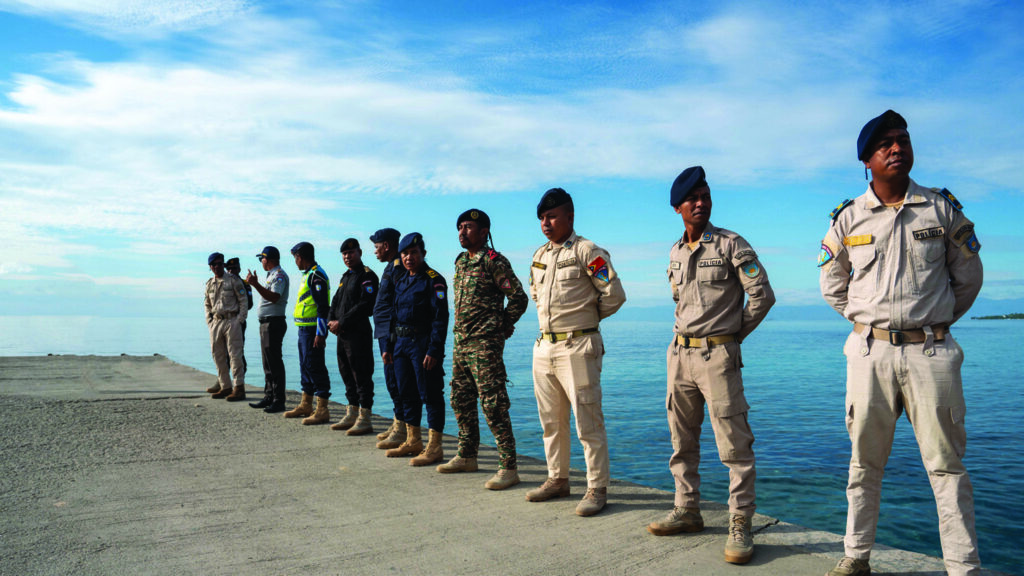
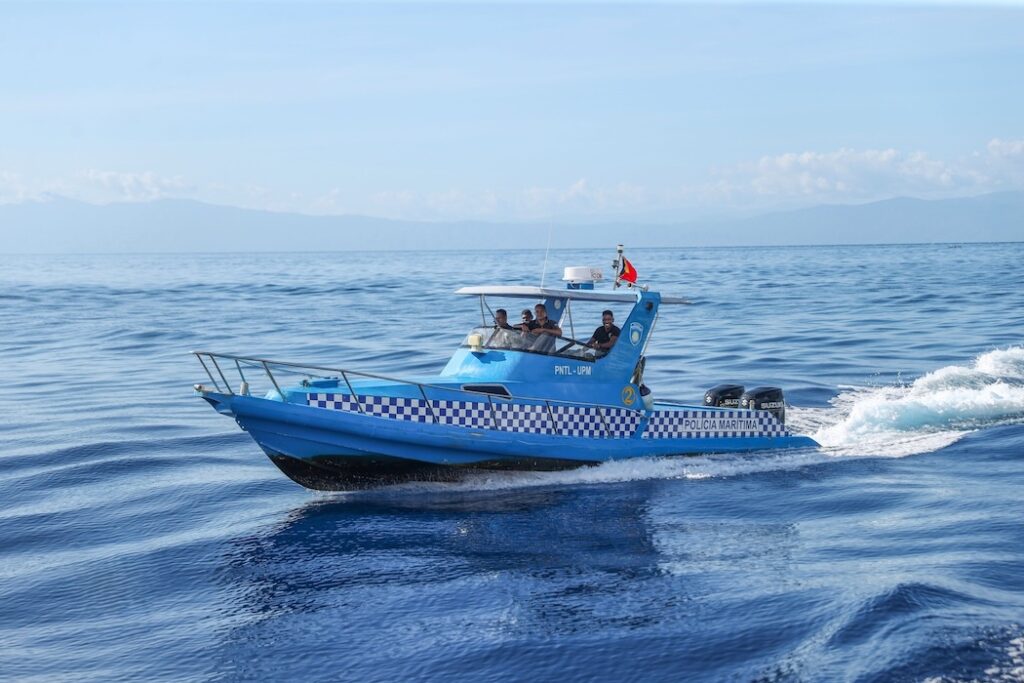
Keeping the ocean safe for people, the environment, and the economy is important for Timor-Leste’s future. Maritime security includes protecting ships, ports, and sea routes, and preventing problems like illegal fishing, smuggling, pollution, and other maritime crimes. Timor-Leste is located along important regional and global sea routes, so, it faces many risks and must have strong systems in place to protect its ocean, resources, and national security and sovereignty.
The Government will strengthen laws, improve monitoring and surveillance, and build the capacity of both civilian, security and military teams. This includes using technology like radar and tracking systems, improving safety at sea, and professionalising Timorese cadres.
Timor-Leste will also work closely with other countries and international organisations to share information, carry out joint actions, and respond to threats. By combining strong national systems with international cooperation, the country can protect its ocean, support economic growth, and ensure long-term stability and safety of the Timorese.