⊗
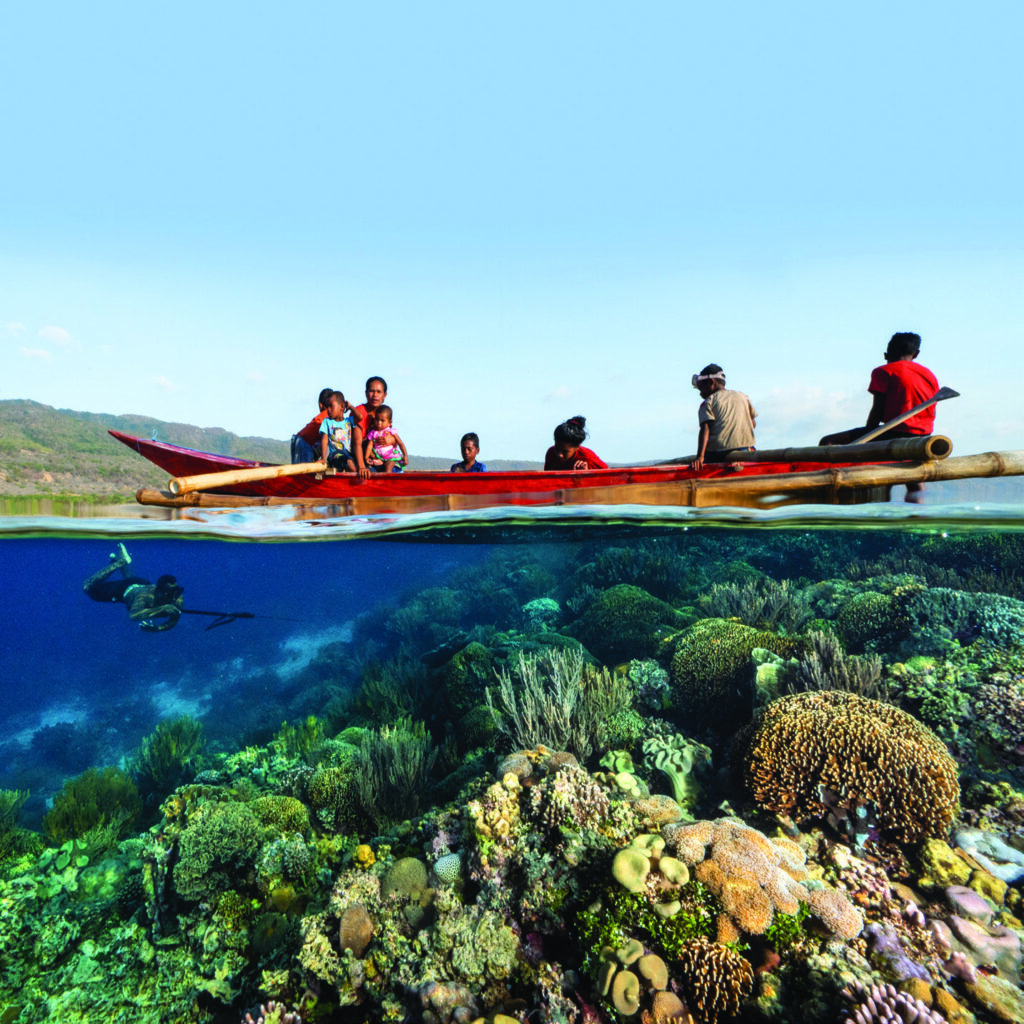
The Government will strengthen internal coordination to promote the growth of the national Blue Economy to include a wide range of activities connected to the sea.
By improving coordination within Government, and between Government and different stakeholders including development partners and the private sector, different activities can be better managed and supported. This will help ensure a more organised and effective approach to developing the Blue Economy in Timor-Leste.
Water and Basic Sanitation
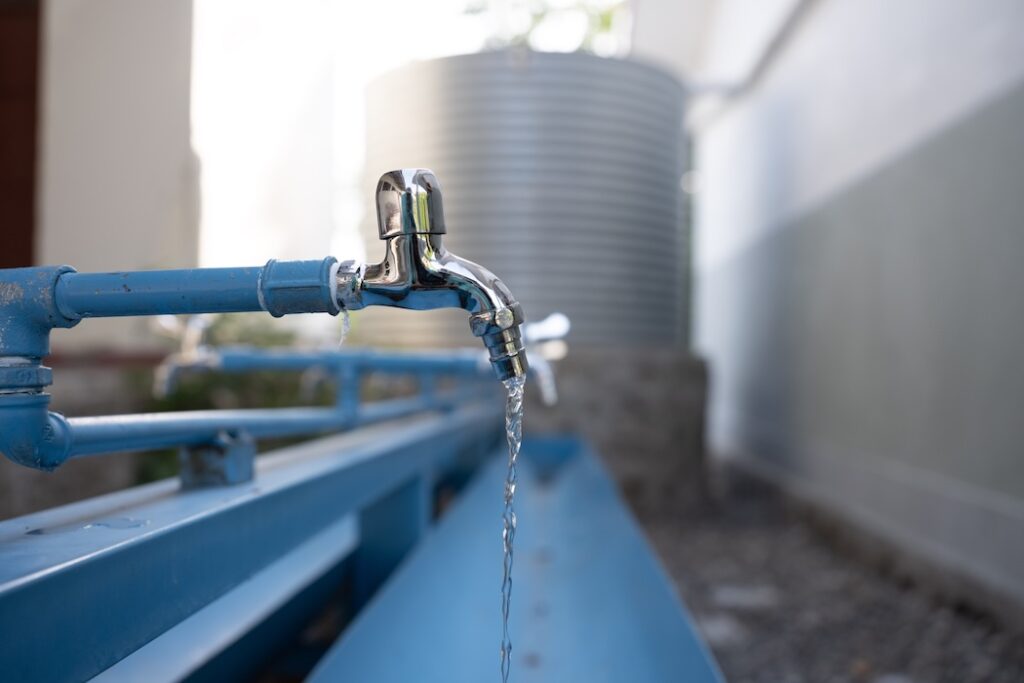
Clean water and proper sanitation on Timor-Leste are essential for a healthy environment and a strong Blue Economy. If waste and dirty water are not managed properly, they can pollute rivers, coastal areas, and the ocean, harming marine life and ecosystems like mangroves and the national pristine waters and healthy coral reefs. Improved sanitation system, including wastewater treatment and waste management are very important to protect water resources and support communities that depend on them.
The Government will invest in better access to safe drinking water and improved sanitation across the country. This includes building and improving water supply systems, sewage treatment, drainage, and waste management, and also reducing plastic pollution. The Government will also strengthen policies, improve coordination, and provide training to ensure these systems are adequate and functioning well so that it can protect its water resources, improve public health, and support sustainable development.
Management and Conservation of Wetlands and Transitional Zones
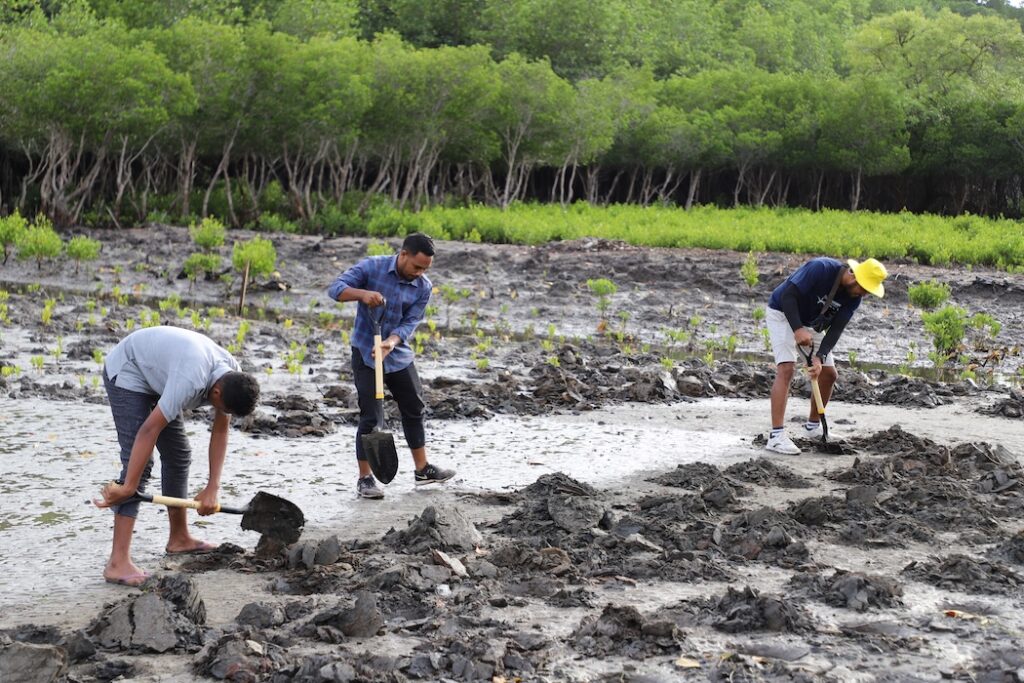
Managing and protecting wetlands and areas where land and water meet, including rivers, lagoons, mangroves, and coastal zones, is very important because what happens on land, such as farming, waste, and water use, can affect the ocean. For example, pollution, soil erosion, and poor land management can flow into rivers and eventually harm marine ecosystems. Protecting the ocean also requires taking care of inland areas, from the mountains all the way to the sea.
To address this, the Government will promote better management of water, land, and natural ecosystems across the entire Timor-Leste. This includes protecting watersheds, improving land-use practices, reducing pollution, and restoring damaged ecosystems.
Timorese communities and individuals will be involved in these efforts, with support for awareness, education, and local activities like ecotourism. By managing the entire water system, from inland to the coastal areas, Timor-Leste can protect its environment, support communities, and ensure a more sustainable future.
Rural Development Trade and Industry
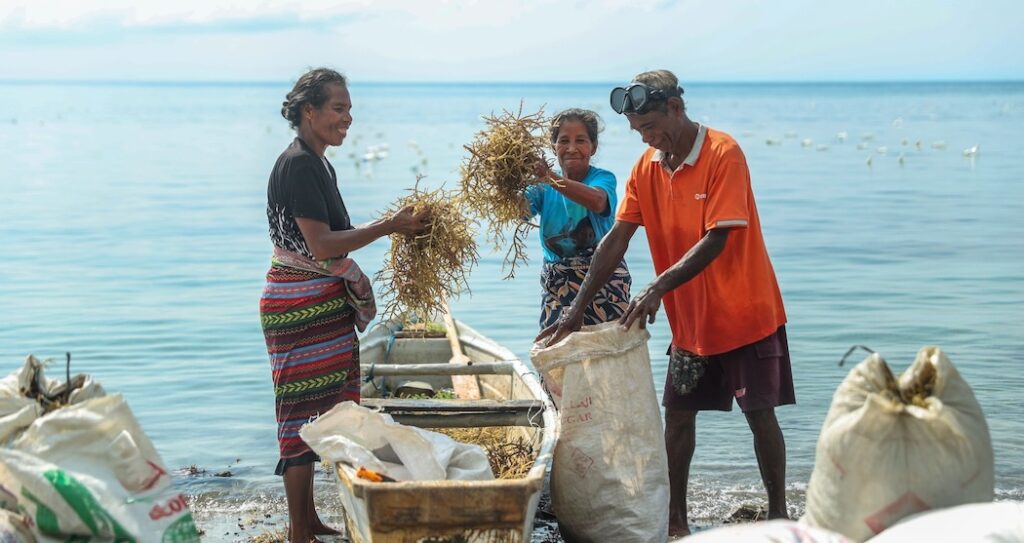
The Blue Economy will set to support also sustainable rural development, trade, and industry in Timor-Leste. Many communities depend on the ocean for their livelihoods, for activities like fishing, aquaculture, tourism, and other marine-based industries that create jobs, income and strengthen livelihoods. At the same time, this approach helps communities reduce their dependence on a single activity, like farming, by creating new opportunities related to the sea. It can also lead to better infrastructure, such as roads, ports, and transport, which also improve access to markets and services.
The Government will promote sustainable industries, encourage small businesses and cooperatives, and invest in skills and training, especially for young people and women. It will also improve trade, attract investment, and support local products to reach national and international markets. By combining economic growth with environmental protection and community development, this approach aims to strengthen rural livelihoods and create a more diverse and sustainable economy for Timor-Leste.
Ocean Satellite Account
The Government adopted a resolution establishing the Ocean Satellite Account as a system to measure how important the ocean is to Timor-Leste’s economy. The Marine Satellite Account is a tool that collects and analyses data about ocean-related activities, such as jobs, income, and economic value. This will help the Government understand how much the Blue Economy contributes to the country’s sustainable development and where improvements are needed.
The Government will develop and publish this data regularly, working with the National Institute of Statistics and other agencies. This information will support better decision-making, planning, and policy development, while also helping attract investment and create new opportunities. By improving data and monitoring, Timor-Leste can better manage its ocean resources and support sustainable economic growth.
Planning Financing and Monitoring Instruments
The Blue Economy will be planned, funded, and monitored. Investing in the ocean is important because it supports jobs, health, education, and long-term sustainable development. The Government will set clear priorities and make sure funding comes from different sources, including public funds, private investment, development partners, and new tools like blue bonds and carbon credits. This will help ensure that projects can be carried out effectively and benefit both people and the environment.
At the same time, the Government will improve coordination, strengthen institutions, and involve communities in decision-making. It will also put systems in place to track progress, measure results, and make improvements when needed. By ensuring strong planning, clear financing, and regular monitoring, Timor-Leste can successfully develop the Blue Economy in a way that is transparent, sustainable, and beneficial for future generations.