⊗
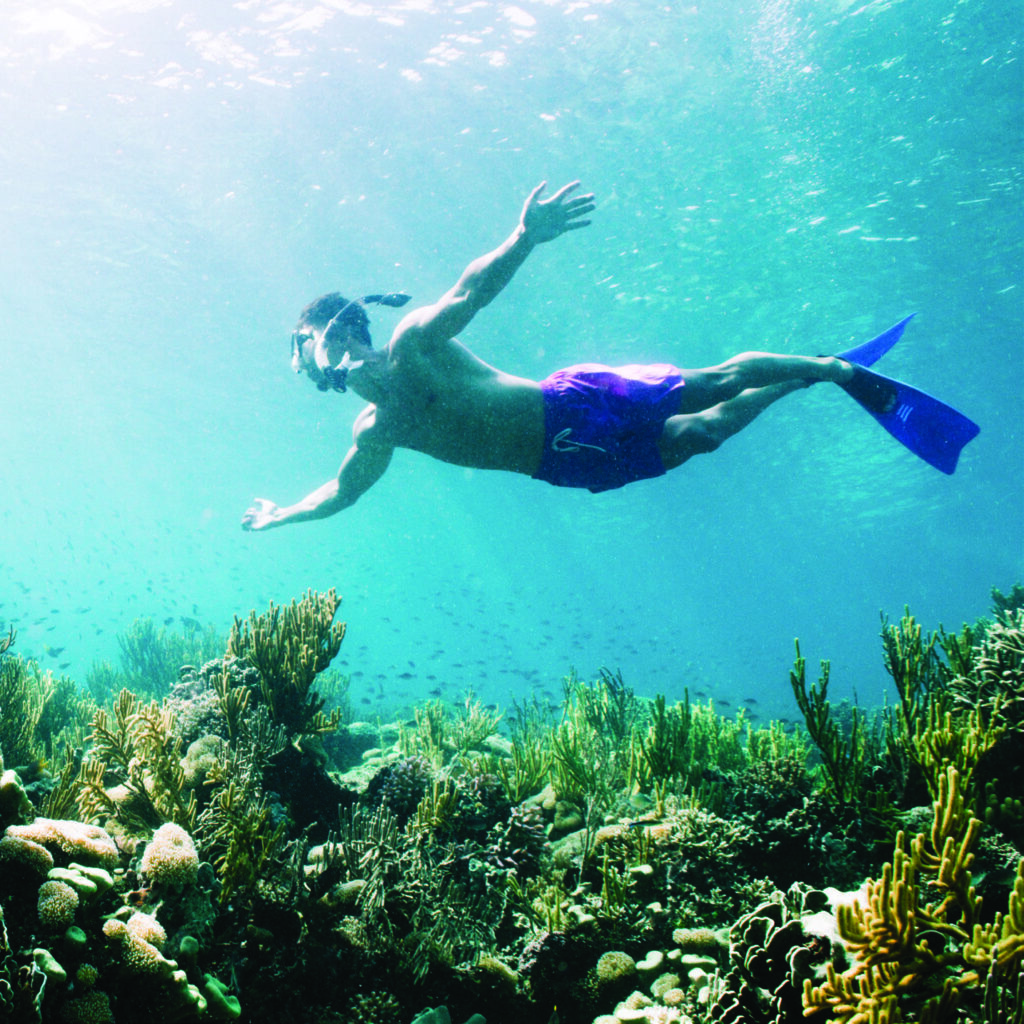
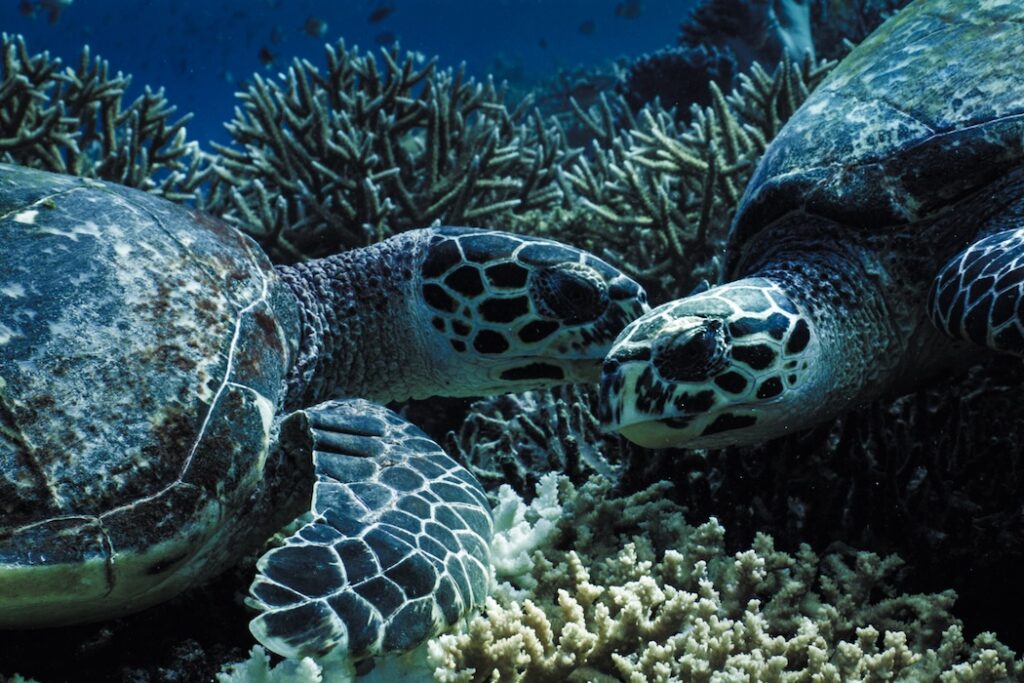
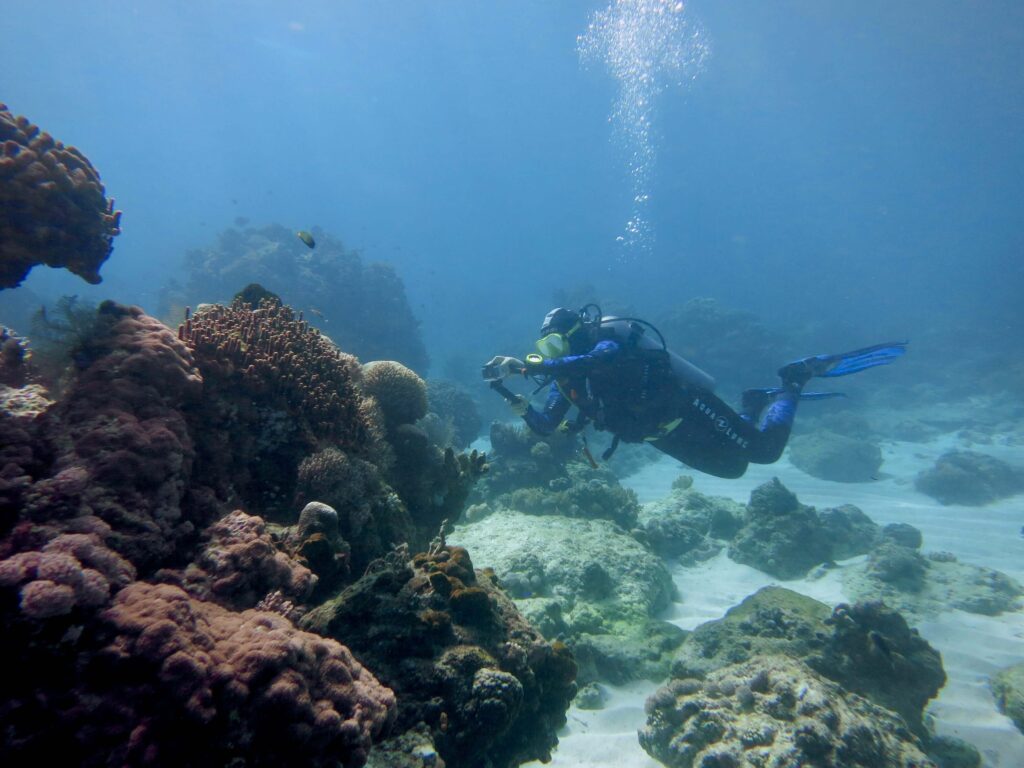
The protection of the environment and marine biodiversity refers to measures taken to preserve and conserve natural resources, flora, fauna and marine habitats, and involves raising awareness, preservation and the sustainable use of the ocean, seas, rivers, estuaries and their associated ecosystems.
It is within this framework that marine and coastal management and protection will be carried out, usually defined as the set of practices, policies and strategies aimed at the conservation and sustainable use of marine resources and coastal areas.
Biodiversity conservation is a central element of the Government’s strategy, serving as a cross-cutting pillar of good governance.
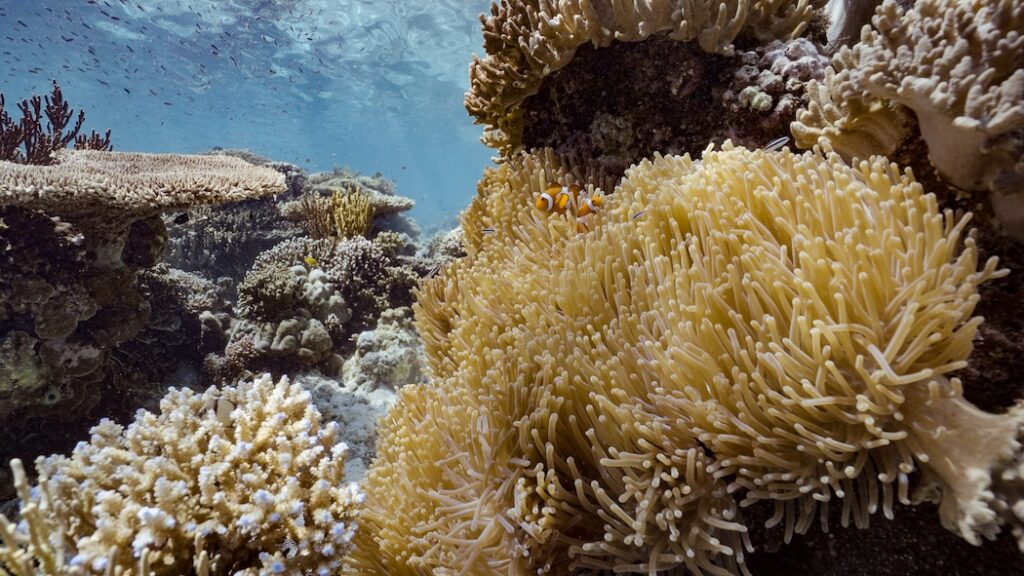
This work must involve many stakeholders, including the Government, local communities, the private sector, and others. Together, they can make plans and rules for using coastal resources in a sustainable way. The goal is to protect places like coral reefs and mangroves, support food security, reduce harm to the environment, and make sure activities like fishing and tourism can continue in a responsible way for future generations.
To do this, the Government will improve laws and plans for marine and coastal management, including national planning for maritime space, coastal zones, and Marine Protected Areas.
It will also support community participation, respect traditional practices like Tara Bandu, promote the development of community-based associations, organisations and small-scale private sector actors, through financial incentives, small capital investments, and technical and specialised support.
The Government also plans to review the National Biodiversity Strategy and Action Plan (2011–2020), updating the guiding framework for biodiversity conservation based on current science and reports, and aligning it with the targets of the Kunming-Montreal Global Biodiversity Framework.
The ocean helps keep nature balanced, provides food, supports the climate, and keeps air and water clean. In Timor-Leste, marine ecosystems are also important for the economy, supporting activities like fishing, tourism, and transport. Because of this, protecting marine biodiversity is not only about nature, but also about people’s lives and the country’s sustainable future.
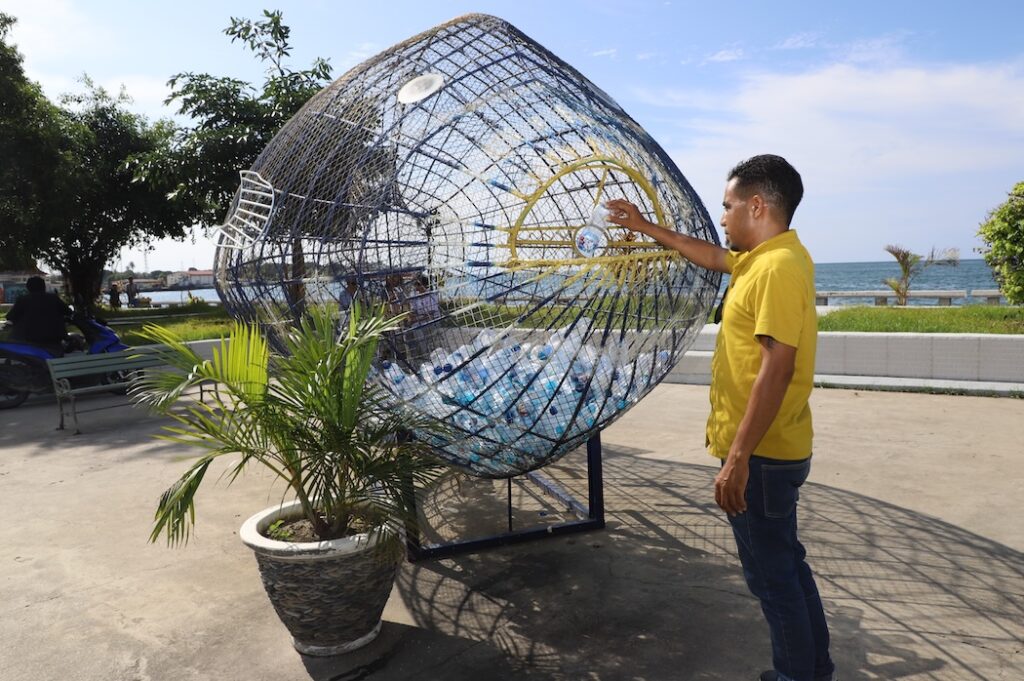
Protecting the ocean requires strong action. This includes reducing pollution, improving waste management, and cutting down plastic waste in the sea. Education is also very important, so people understand the value of the ocean and learn how to protect it. At the same time, laws and policies must be properly applied and enforced to make sure marine ecosystems are not damaged.
This work requires cooperation between many stakeholders, including the Government, local communities, scientists, civil society, and international organisations. Because the ocean is connected across countries, Timor-Leste must also work beyond its borders and follow international agreements like the BBNJ Agreement. The country will also take steps to stop illegal trade in animals and plants, helping protect biodiversity while balancing development and environmental protection.
Marine pollution, especially plastic waste, is a big challenge for Timor-Leste. It harms the ocean, marine life, and even people’s health. Every year, huge amounts of plastic end up in rivers and the sea. Some of this plastic breaks into tiny pieces called microplastics, which can enter our food and water. In Timor-Leste, a lot of plastic waste is produced every day, and much of it ends up in the ocean because waste is not always properly managed.
To deal with this, the Government is working to reduce plastic waste and improve how waste is handled. This includes promoting the “3Rs” — Reduce, Reuse, and Recycle — and teaching people why it is important. The Government will also improve waste collection, recycling systems, and stop harmful practices like dumping or burning waste. Special care will be taken to safely manage dangerous waste, such as medical and toxic materials.
Timor-Leste is also improving its laws and working with other countries to fight pollution. This includes enforcing rules on plastic use, improving monitoring, and following international agreements. The Government will work with communities, businesses, and partners to improve systems and reduce pollution from both land and sea. These actions will help protect the ocean while supporting a cleaner and healthier future for everyone.
Carbon Sequestration
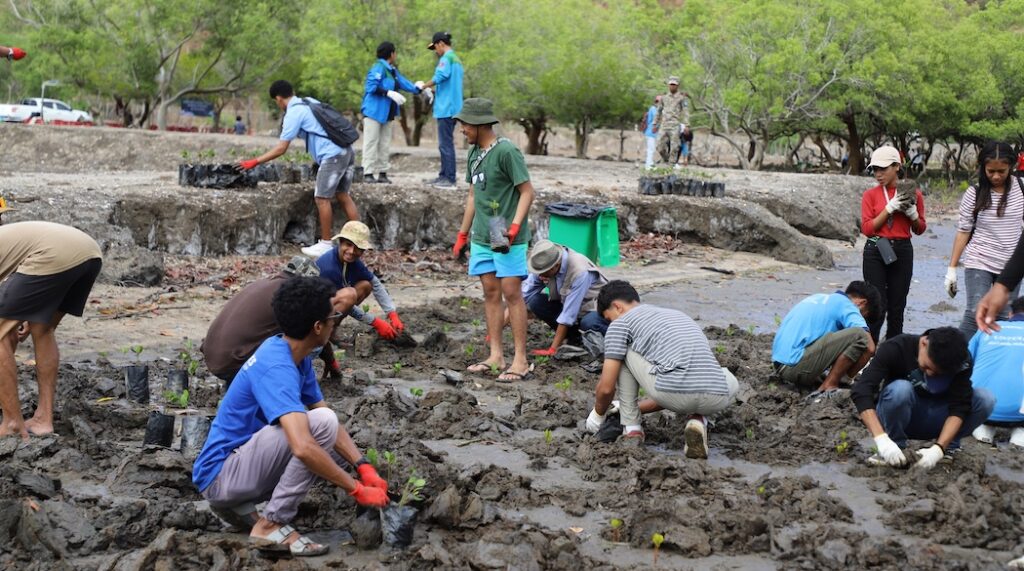
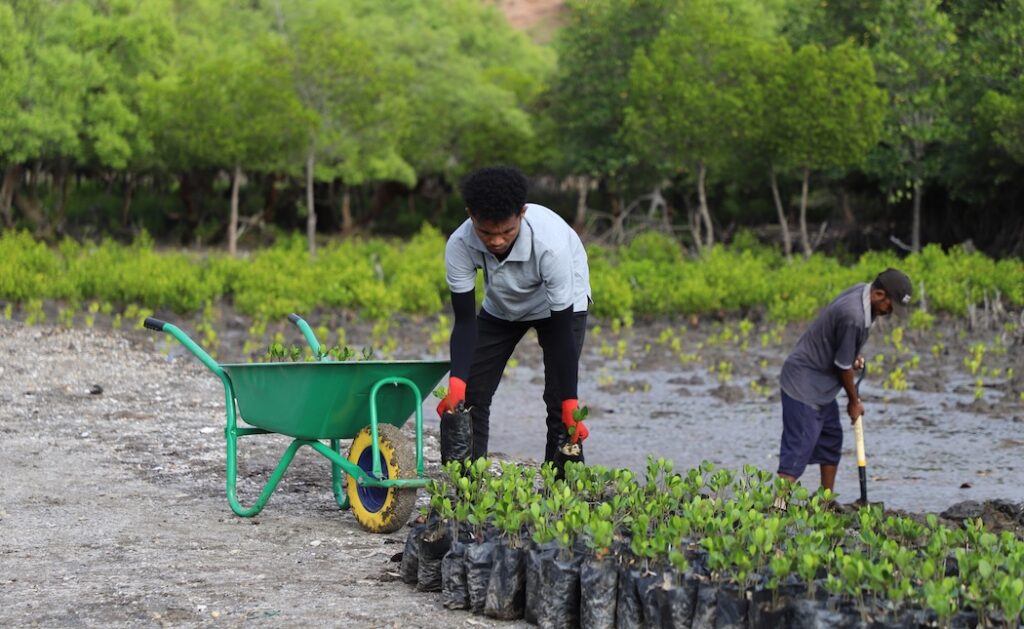
The ocean helps fight climate change by absorbing and storing carbon. This is called “blue carbon.” In Timor-Leste, ecosystems like mangroves, seagrass, and coastal wetlands store carbon in plants and soil for a long time. These areas also clean the water, reduce pollution, protect the coast from erosion and storms, and support fish and other marine life. Even very small marine organisms play a big role in capturing carbon, making the ocean one of the most powerful natural systems for climate protection.
To protect these benefits, Timor-Leste will focus on taking care of coastal areas and stopping damage caused by unsustainable activities. This includes improving waste and land management, protecting mangroves and seagrass, and restoring damaged ecosystems. These actions will help improve food security, protect communities, and keep coastal areas healthy, while also reducing the impacts of climate change.
The Government will also invest in research, mapping, and community-based projects to better understand and manage these ecosystems. Programmes like tree planting and carbon farming already support farmers, create jobs, and generate income through carbon credits. At the same time, Timor-Leste is exploring new opportunities, such as creating carbon markets and storing carbon in old oil and gas fields. By combining nature-based solutions with new technology, the country can reduce emissions, protect the environment, and support long-term development.