⊗
Campanha “O Meu Mar! O Meu Timor!”
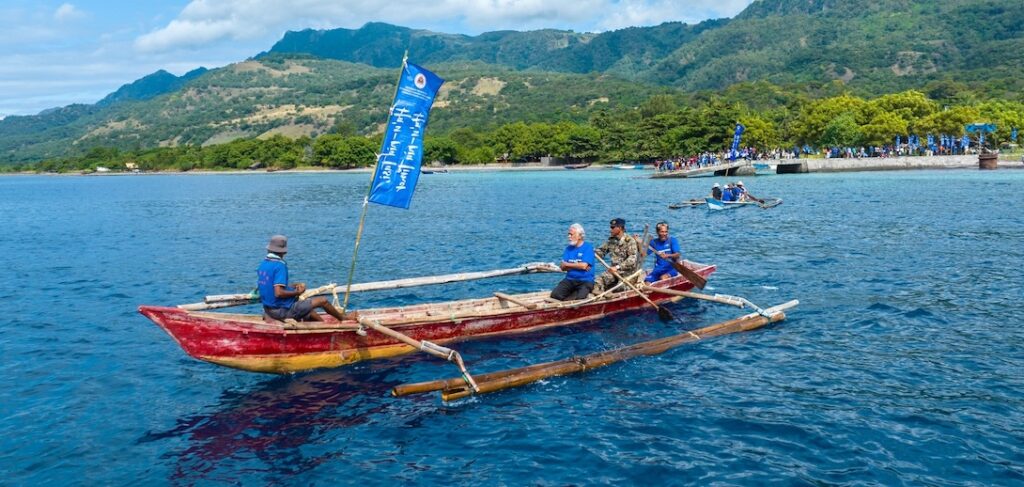
Em 2021, o Representante Especial para a Economia Azul, Kay Rala Xanana Gusmão, lançou a campanha Ha’u-nia Tasi, Ha’u-nia Timor (O Meu Mar, O Meu Timor).
Esta campanha contribui para sensibilizar a população para a importância do oceano e do espaço marítimo de Timor-Leste. Contribui igualmente para unir as pessoas em apoio aos esforços do país para proteger os seus direitos marítimos e promover o valor dos seus recursos marinhos.
A campanha ajuda também a compreender porque é que um oceano saudável é tão importante. O mar sustenta empregos, comunidades, o ambiente e o futuro do país. Ao aprenderem mais sobre o oceano, as pessoas conseguem compreender melhor o seu papel na vida quotidiana e a razão pela qual deve ser protegido.
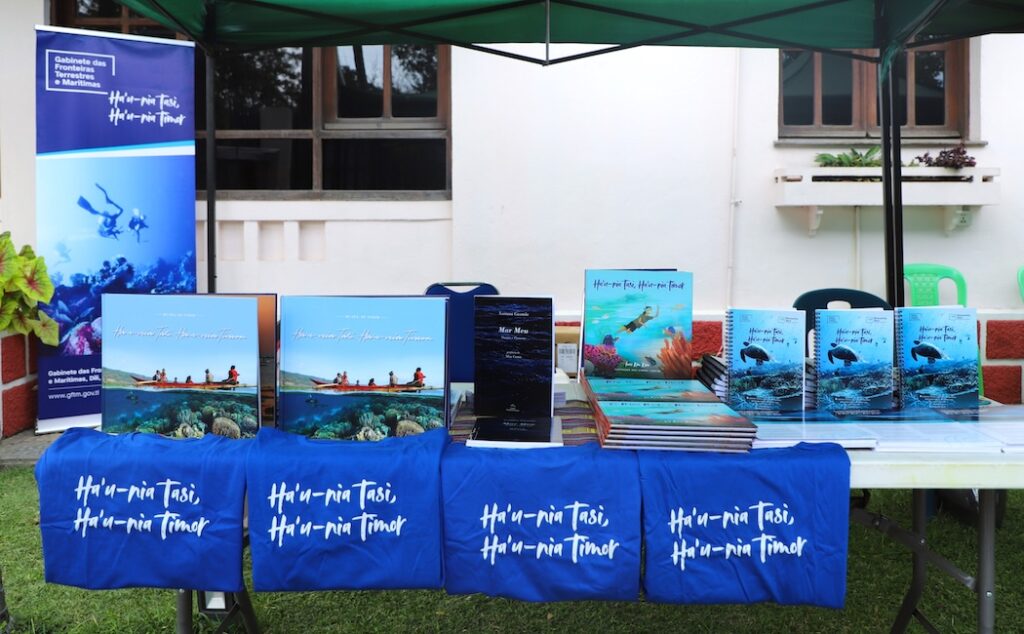
No âmbito da campanha foram criados diversos materiais educativos, incluindo livros infantis, livros de fotografia, vídeos e kits de sensibilização. Estes materiais foram especialmente concebidos para os jovens, com o objetivo de promover o conhecimento e o respeito pelo oceano. A campanha demonstra como a Economia Azul pode apoiar o desenvolvimento, protegendo simultaneamente os recursos marinhos e promovendo a sua utilização sustentável.
5 de junho — Dia Nacional do Mar
O Dia Nacional do Mar é celebrado anualmente em Timor-Leste, a 5 de junho, em reconhecimento da importância do oceano para o desenvolvimento sustentável do país, para o ambiente, para a economia e para o modo de vida do povo timorense.
A 22 de outubro de 2025, o Conselho de Ministros consagrou o dia 5 de junho como Dia Nacional do Mar, a fim de apoiar a Política e Plano de Ação para a Economia Azul 2025–2035.
A existência de um Dia Nacional do Mar destaca a necessidade de proteger a biodiversidade marinha de Timor-Leste.
Esta celebração integra igualmente uma Semana do Oceano mais alargada, assinalando o Dia Mundial do Oceano, celebrado anualmente a 8 de junho em todo o mundo.
São realizados eventos e atividades em todo o país para sensibilizar a população para o valor do mar no desenvolvimento sustentável de Timor-Leste.
As celebrações incluem o Desfile do Oceano em Díli, limpezas de praias, workshops educativos e atividades comunitárias. Estas iniciativas envolvem frequentemente jovens, comunidades locais e líderes nacionais, sendo realizadas todos os anos em diferentes municípios.
O Dia Nacional do Mar pretende inspirar os timorenses, em especial as crianças e os jovens, a tornarem-se guardiões do oceano e a apoiarem um futuro sustentável para Timor-Leste.
👉🏼 Calendário de Eventos Semana Nacional do Oceano 2026 Timor-Leste
Economia Azul no Currículo Nacional
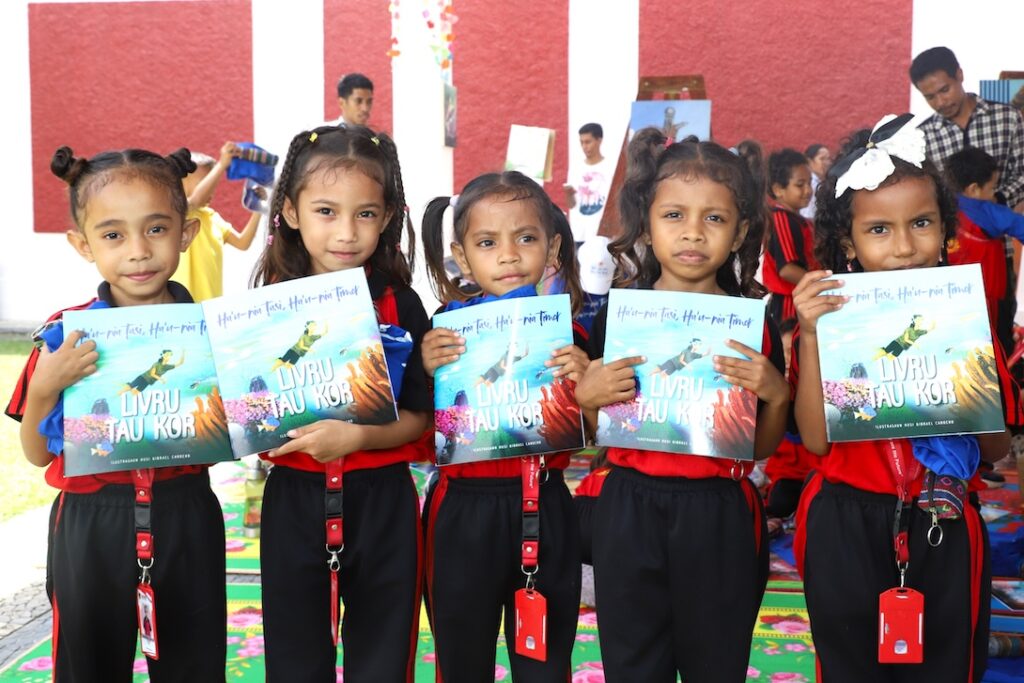
No Dia Mundial do Oceano, a 8 de junho de 2024, o Primeiro-Ministro Kay Rala Xanana Gusmão lançou o livro infantil O Meu Mar, O Meu Timor, no âmbito da campanha Ha’u-nia Tasi, Ha’u-nia Timor.
O livro foi integrado no currículo escolar nacional em abril de 2024. Os alunos do 3.º e 4.º anos, em todos os municípios, incluindo a RAEOA, estão agora a aprender sobre a Economia Azul e sobre a proteção do oceano para o futuro. Isto ajuda as crianças a compreender o valor do mar desde cedo.
O Centro Nacional de Impressão e o Gabinete de Desenvolvimento Curricular do Ministério da Educação imprimiram cerca de 120.000 exemplares e prepararam o Livro Infantil da Economia Azul “O Meu Mar, O Meu Timor”, publicado em tétum e português. Os livros, incluindo a versão para colorir, foram distribuídos pelos 12 municípios e pela Região Administrativa Especial de Oe-Cusse Ambeno e em Ataúro, a todos os alunos do ensino primário do 3.º e 4.º anos. Aproximadamente 40.000 estudantes têm agora acesso ao livro de histórias e ao livro para colorir “O Meu Mar, O Meu Timor”.
Os livros produzidos pelo Gabinete das Fronteiras Terrestres e Marítimas (GFTM) ajudarão a sensibilizar e aumentar o conhecimento das crianças em idade escolar sobre a importância da proteção e preservação dos nossos recursos marinhos e da nossa rica biodiversidade para que as futuras gerações de timorenses possam dela usufruir.
O Livro Infantil “O Meu Mar, O Meu Timor” explora a maravilhosa relação entre as crianças timorenses e o mar que rodeia Timor-Leste, com todas as suas criaturas e ecossistemas.
Jovens Embaixadores da Economia Azul
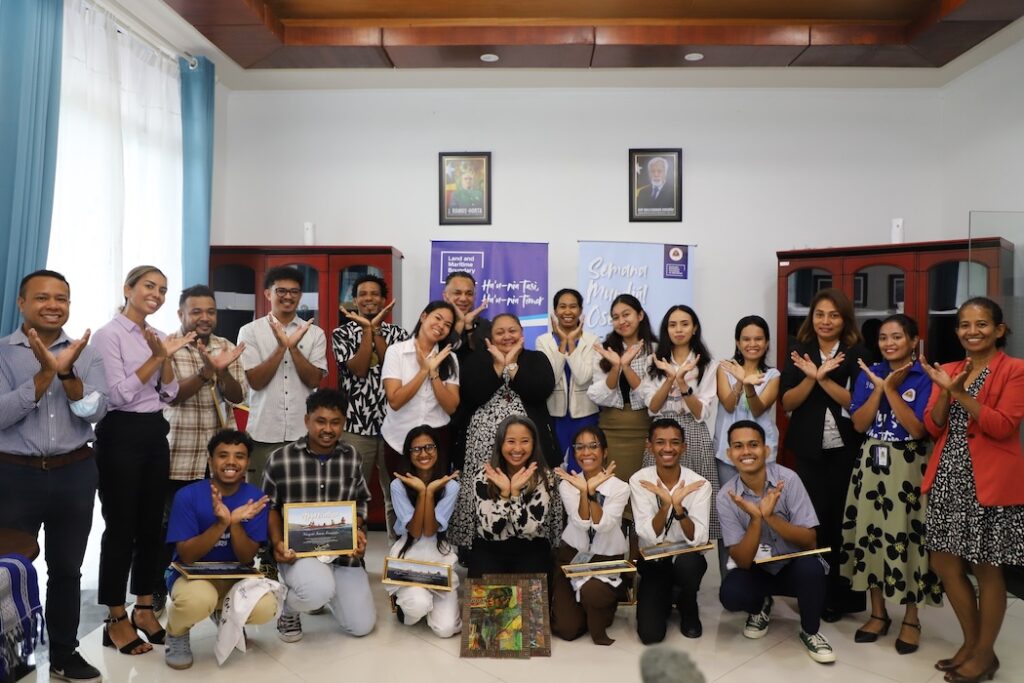
O Programa de Jovens Embaixadores da Economia Azul apoia o desenvolvimento de conhecimentos e capacidades entre jovens líderes emergentes nesta área. Este programa visa criar uma comunidade e uma plataforma que permitam aos jovens contribuir para o desenvolvimento sustentável e promover mudanças significativas em Timor-Leste e a nível global, através de uma maior participação na formulação e implementação de políticas públicas que promovam a inovação e o equilíbrio entre as oportunidades económicas e a proteção ecológica.
Livro de Fotografias da Economia Azul
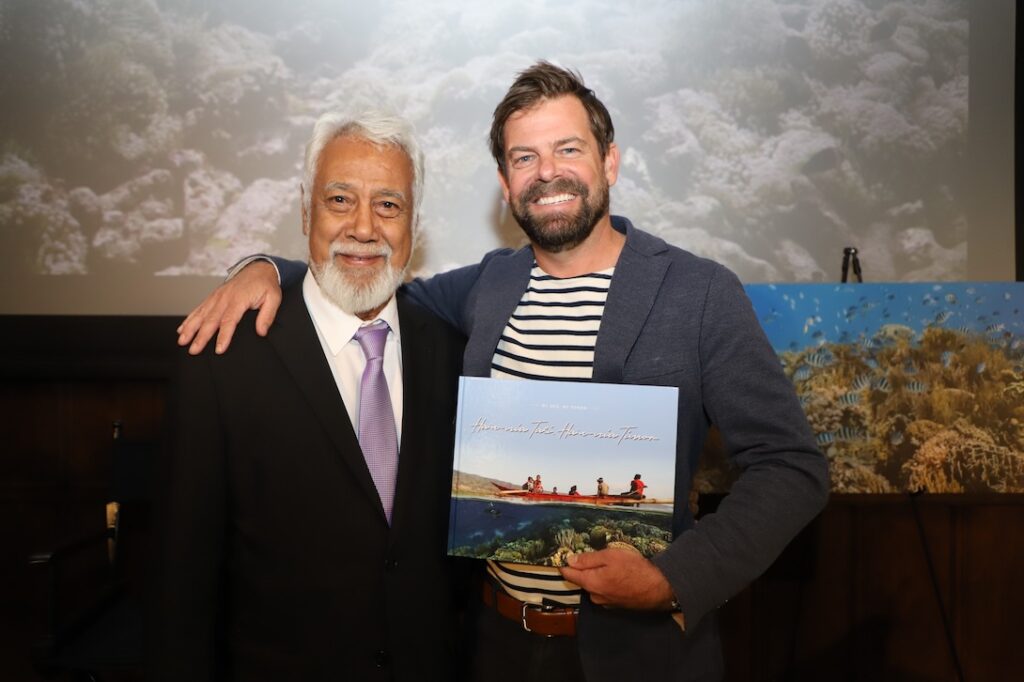
A 23 de setembro, o Primeiro-Ministro Kay Rala Xanana Gusmão lançou oficialmente o livro de fotografias da Economia Azul intitulado “Ha’u-nia Tasi, Ha’u-nia Timor” (O Meu Mar, O Meu Timor), no The Explorers Club, em Nova Iorque.
O livro foi produzido pelo Gabinete das Fronteiras Terrestres e Marítimas (GFTM) e integra a campanha da Economia Azul destinada a promover o desenvolvimento sustentável dos recursos marinhos de Timor-Leste, com vista à diversificação da economia nacional.
O livro “O Meu Mar, O Meu Timor” celebra a relação especial de Timor-Leste com o mar, tanto acima como abaixo da água. Cada capítulo apresenta imagens impressionantes da vibrante e fascinante vida marinha de Timor-Leste. O livro ilustra igualmente a biodiversidade única das águas timorenses e as tradições ancestrais que ligam o povo timorense à natureza e ao mar.
Peixe Azul – Recolha de Garrafas de Plástico
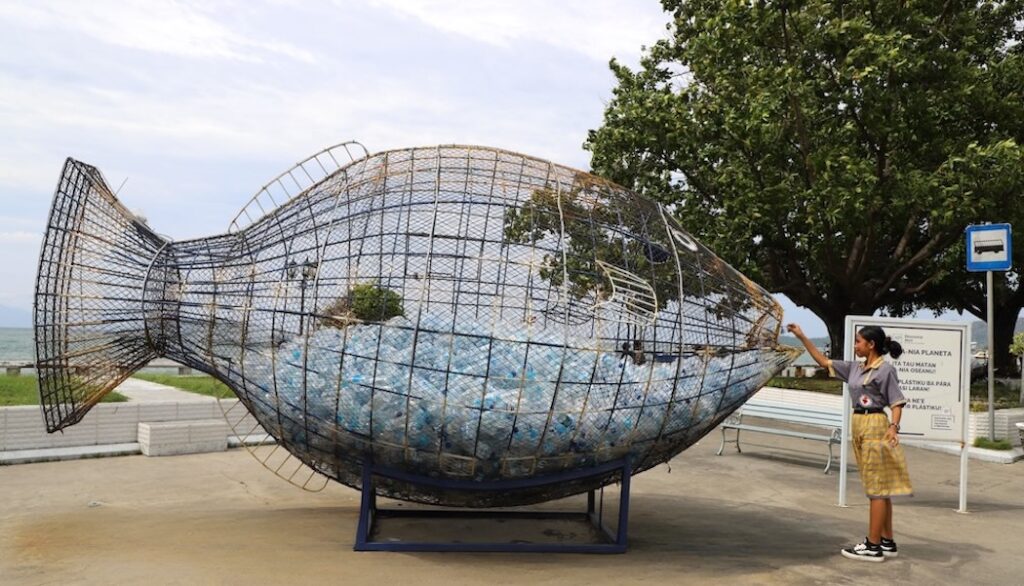
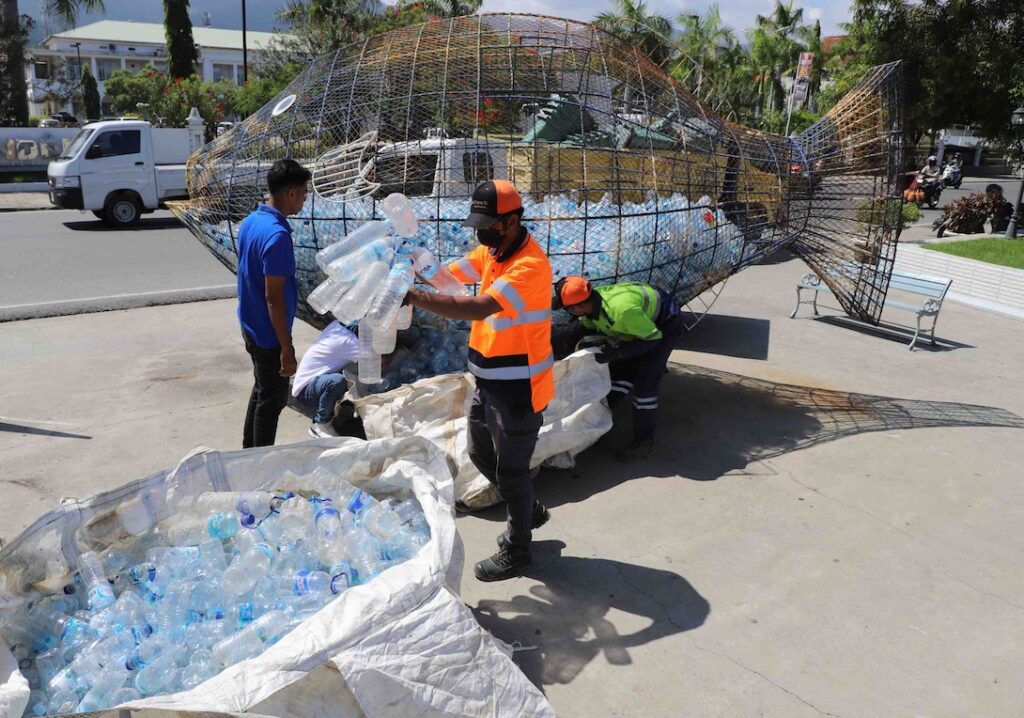
Em junho de 2024, o Gabinete das Fronteiras Terrestres e Marítimas instalou o “Peixe Azul” na marginal em frente ao Palácio do Governo, em Díli. Esta iniciativa visa incentivar a comunidade a “alimentar” o Peixe Azul, depositando nele as suas garrafas de plástico vazias, evitando assim que acabem no mar como poluição marinha e coloquem em risco a Economia Azul de Timor-Leste e a biodiversidade marinha nacional. Quando o Peixe Azul fica cheio de garrafas vazias, os parceiros do projeto recolhem-nas para reciclagem e produção de novos materiais. O Peixe Azul é uma obra de arte que educa e motiva todos nós a agir contra a poluição causada pelo plástico. A iniciativa sensibiliza o público para os perigos da poluição por garrafas de plástico nos mares e para a necessidade de encontrar soluções inovadoras para enfrentar estes graves problemas ambientais.
Parceria com o Grupo Caltech para Reciclagem
Em junho de 2024, o Gabinete das Fronteiras Terrestres e Marítimas assinou um Protocolo de Cooperação com o Grupo Caltech, com vista à coordenação pro bono da recolha, reciclagem e tratamento de resíduos plásticos recolhidos no “Peixe Azul” e noutros pontos de recolha instalados no interior do Palácio do Governo, em Díli. Após a recolha das garrafas de plástico vazias, estas são processadas pela Caltech Environmental e posteriormente enviadas para a Circul-R, onde os resíduos plásticos são transformados localmente em novos produtos produzidos a partir de materiais 100% reciclados.